ART · ARCHITECTURE · BAMBOO / NAGAREYAMA, CHIBA
A little art.
A little forest.
A quieter day near Tokyo.
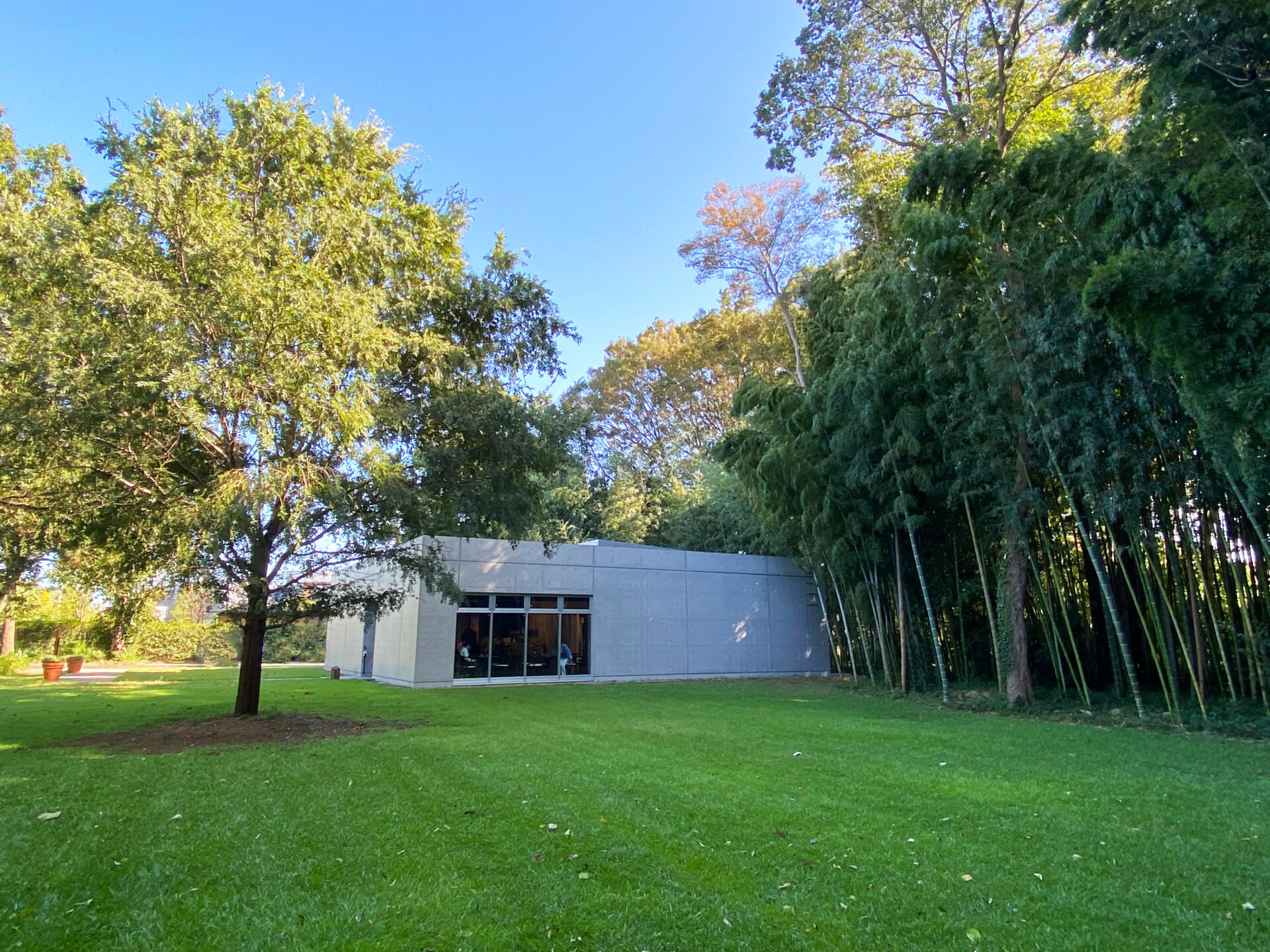
Looking beyond Tokyo’s busiest sightseeing spots? Mori-no-Bijutsukan (森の美術館) is a small art museum in Nagareyama, Chiba, with a concrete building, a green lawn and a bamboo grove. This local photo guide helps you plan the visit—from reserving a time slot to finding the right station.
Hours and admission: museum visitor information. Walking time: the museum’s access guide.[1][5]
01The exhibition—and the details to book first
The exhibition listed for this visit period is Hiroki Yamamoto: Simulacrum Girls. The museum describes a selection of around 30 paintings, exploring carefully observed figures, clothing, light and texture. See the official exhibition page for the works and curatorial information.[2]
| Address | 315 Oguro, Nagareyama, Chiba 270-0122, Japan |
|---|---|
| Hours | 10:00–16:00; last admission 15:30 |
| Usual closing days | Monday and Tuesday. Check for exhibition-change closures and special opening days. |
| Admission | Adults ¥600; junior and senior high school students ¥300; primary-school children and younger free |
| Exhibition dates | Simulacrum Girls 10 September–21 December 2026 |
| Booking for this show | Official website or phone; opens 14 days ahead. Regular visits: one-hour slots, ten people per slot. |
| Payment for this show | Cash at the museum on the day |
| Contact | +81 4-7136-2207 Within Japan: 04-7136-2207 |
| Parking | Seven spaces listed. Availability is not guaranteed. |
Visitor, exhibition, booking and access information from the museum.[1][2][3][5]
The booking pages are in Japanese. Browser translation may help, but check your chosen date, time and confirmation carefully. No English-speaking assistance is promised here. Availability is not confirmed by this guide.
02Let the building become part of the visit
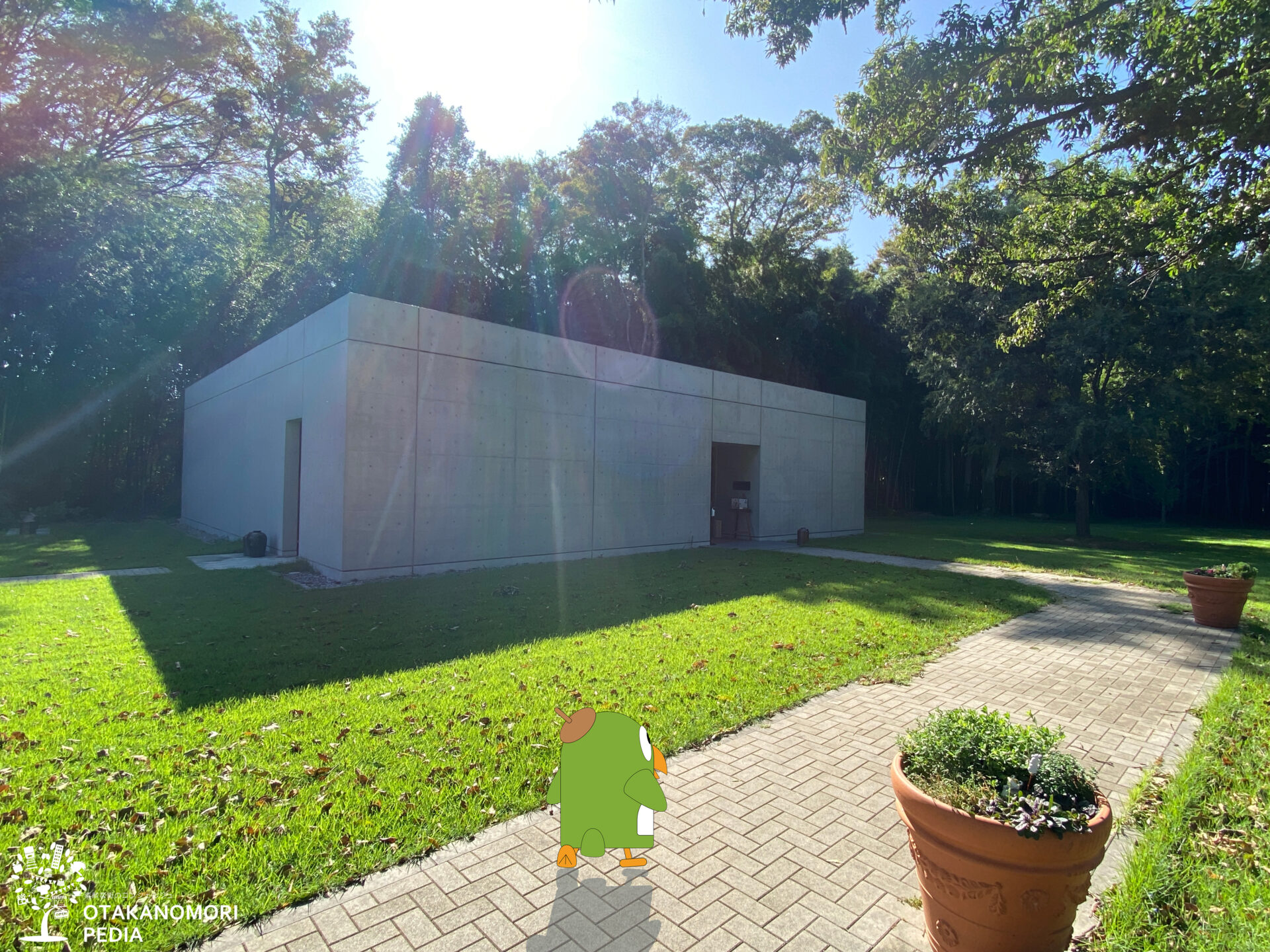
Kotaka’s favourite detail is the contrast: precise concrete edges beside soft grass and irregular layers of green. You do not need an architectural vocabulary to enjoy it. Simply change your viewpoint and notice how the trees frame the building.

A note from Kotaka
“It feels like the kind of museum you might discover on a countryside getaway. Yet it is right here in Nagareyama.”
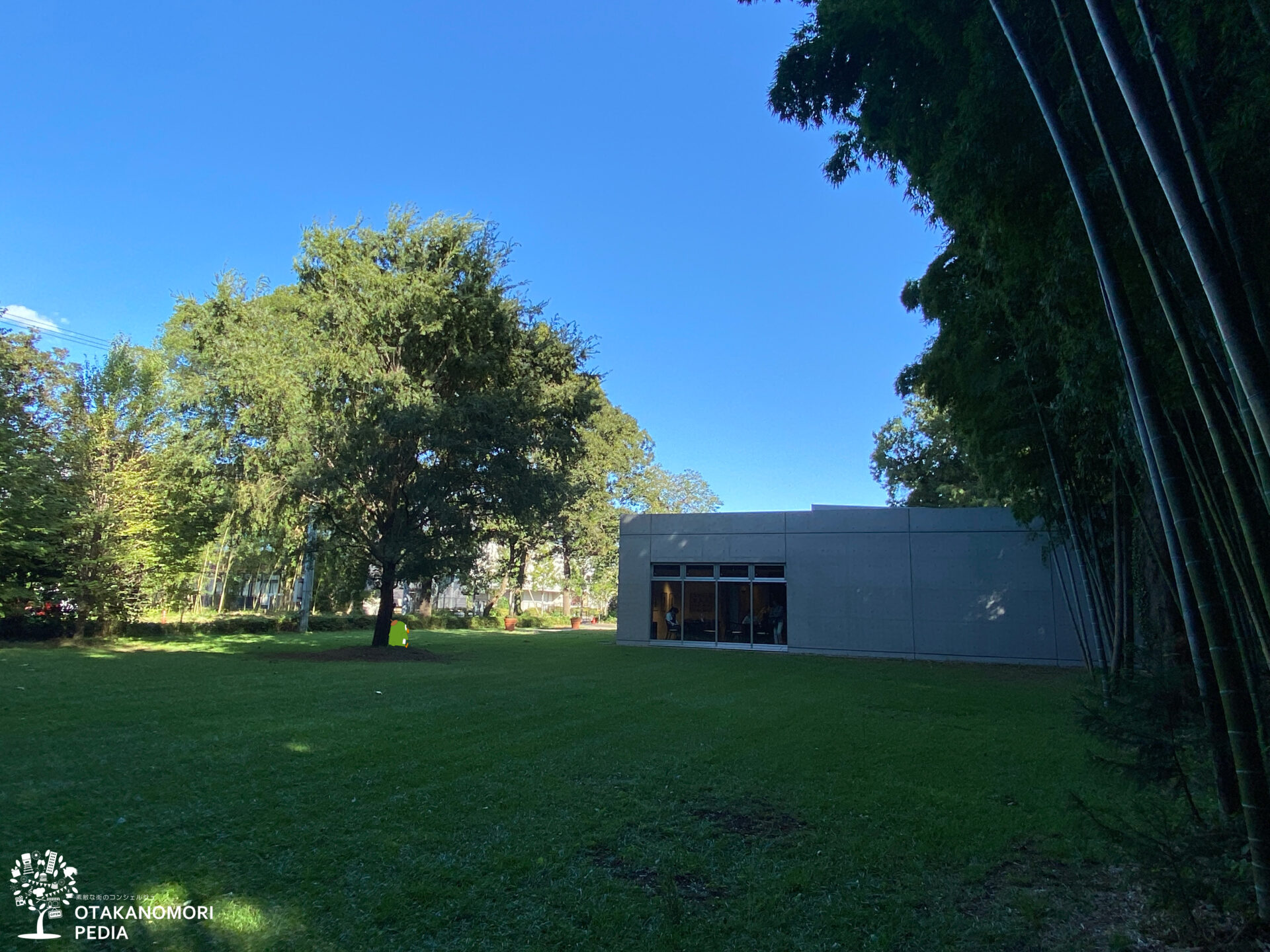
The grounds are part of the museum, not an unrestricted public park. Follow staff guidance on the areas open to visitors that day.
03A bamboo path, and a moment to listen
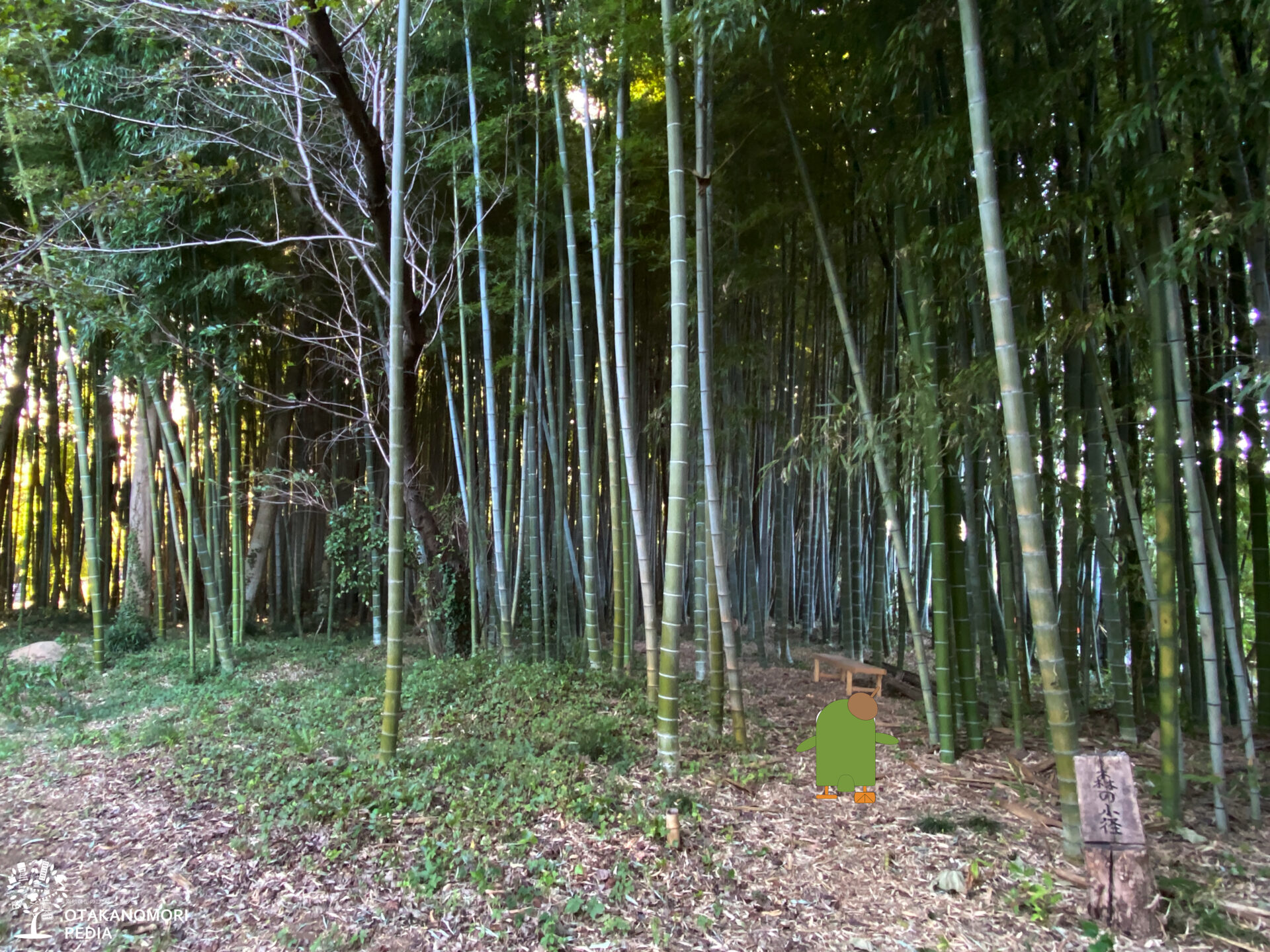
Around the building, the lawn gives way to bamboo. A small wooden sign marks Mori no Komichi—the “forest path”. This is a place to slow down rather than tick off another attraction. Check which paths are open during your visit.

A note from Kotaka
“First you hear the leaves rustling. With a stronger breeze, the bamboo stems touch and make their own sound. Sitting here is a lovely way to let the day slow down.”
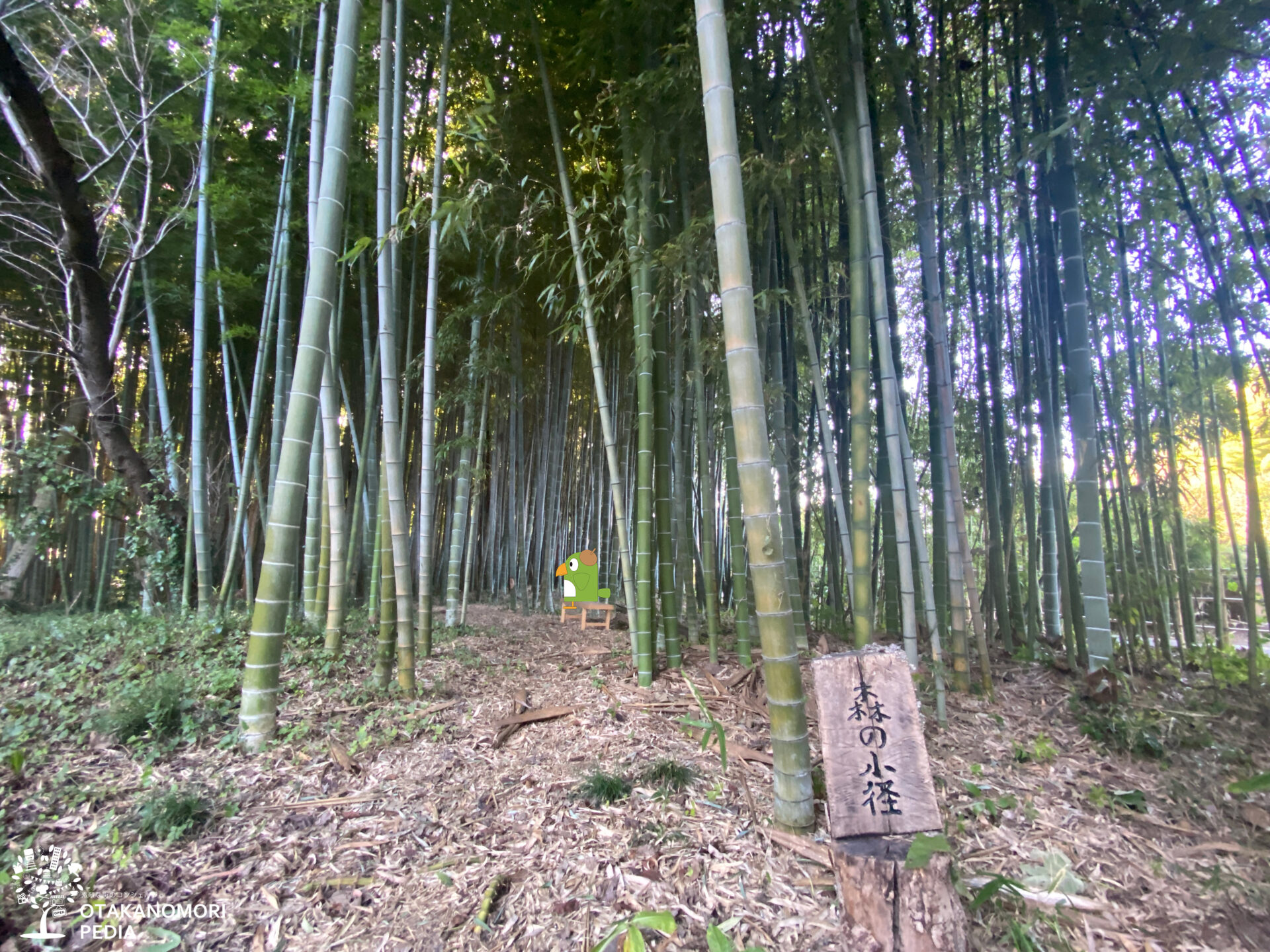
The photographs show unpaved ground and fallen leaves. Wear suitable shoes, especially after rain. For step-free access or visiting with a wheelchair or stroller, ask the museum in advance; a fully accessible route has not been verified for this guide.
04Getting here from Tokyo and the station
From Akihabara, take the Tsukuba Express towards Tsukuba and get off at Nagareyama-Otakanomori (TX12). The station also connects with the Tobu Urban Park Line. Check the railway’s journey planner for your train and fare.[7]
Use the West Exit. The museum lists a 20-minute walk from the station. A bus is another option, but check its route and timing before relying on it for a booked visit.[5]
| On foot | About 20 minutes from Nagareyama-Otakanomori Station’s West Exit. |
|---|---|
| Green Bus | West Exit stop 1, Nishi-Hatsuishi route. Get off at おおぐろの森中学校前 (Oguro-no-Mori Chugakko-mae); the museum is about a one-minute walk away. |
| Tobu Bus | West Exit stop 2, towards Minami-Nagareyama Station / Clean Center. Get off at 大畔 (Oguro); about a five-minute walk to the museum. |
Stops and walking times: the museum’s access guide.[5]
The loop bus changes direction.
The Green Bus Nishi-Hatsuishi route runs clockwise or anticlockwise depending on the time and day. Check both your outward and return services on the city’s timetable. Do not assume it is always one stop or a five-minute ride.[6]
SAVE THIS NAME AND ADDRESS
森の美術館
千葉県流山市大字大畔315
Mori-no-Bijutsukan · 315 Oguro, Nagareyama, Chiba
Show the Japanese name and address when asking for directions. Use the full station name, Nagareyama-Otakanomori, in your route search.
05Make it a thoughtful half-day outing
Plan around your reserved museum slot, then leave time for a meal or a look around the station area. This is an outing to combine with a slower day in Nagareyama—not an all-day museum ticket. The present exhibition’s one-hour slot includes the café.[3]

Before you set off
- Check the reservation confirmation, closing days and any special event arrangements. Bring Japanese yen in cash.
- Ask at reception about photography. Permission given for this site’s reporting does not mean all exhibits may be photographed by every visitor.
- Use only paths and grounds that are open, and wear shoes suited to the conditions.
- For groups of eight or more, contact the museum beforehand.[1]
Photographs: Otakanomori Pedia. Follow the museum’s current rules for photography and outdoor access.
A note from Kotaka
“You do not have to find the perfect words for every painting. A colour you like, a patch of light, the sound of bamboo—that can be a very good afternoon.”
Official information for your visit
Official visitor information was checked on 9 November 2026. Recheck the exhibition and booking arrangements before travelling. Kotaka’s observations are based on the site’s own visit and photographs.
- [1] Museum visitor information · Japanese
- [2] Hiroki Yamamoto exhibition and official leaflet · Japanese
- [3] Exhibition booking rules · Japanese
- [4] 15 November gallery talk: no ordinary admission · Japanese
- [5] Museum access information · Japanese
- [6] Nagareyama City: Nishi-Hatsuishi bus route · Japanese
- [7] Tsukuba Express: station TX12 (English)